health&FITNESS
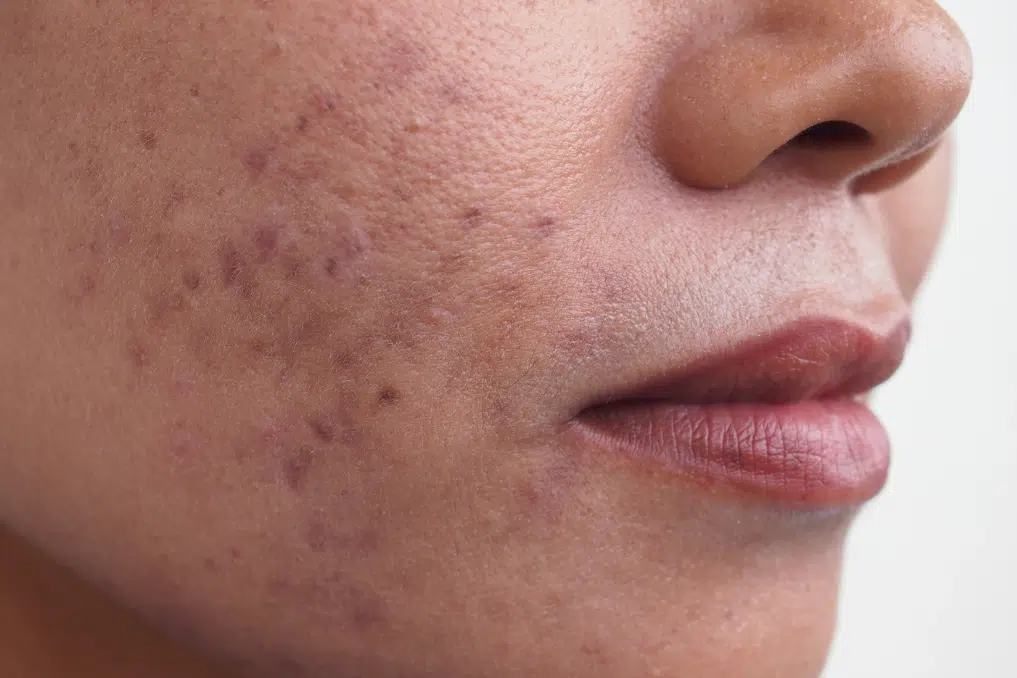

Skin pigmentation issues are a common concern for many people, prompting the need for pigmentation treatment. Pigmentation Treatment In Dubai has become increasingly popular due to the city’s sun-intensive climate and high demand for flawless skin. Clinics like Dynamic Clinic in Dubai offer specialized treatments that address these skin concerns effectively, helping individuals restore an even and radiant complexion. Understanding the factors that contribute to pigmentation is essential for selecting the right treatment approach.
Pigmentation occurs when the skin produces excess melanin, the pigment responsible for color in the skin, hair, and eyes. While melanin protects the skin from harmful UV rays, overproduction can lead to dark spots, uneven skin tone, and hyperpigmentation. This condition can affect anyone, regardless of age or skin type, making awareness about its causes vital.
Several factors contribute to the need for pigmentation treatment, including:
Extended exposure to ultraviolet (UV) rays triggers the skin to produce more melanin as a defense mechanism. This often results in sunspots or age spots, especially on areas frequently exposed to sunlight, such as the face, hands, and neck.
Hormonal fluctuations, particularly during pregnancy or due to contraceptive use, can cause melasma—a type of pigmentation that appears as dark, irregular patches on the skin.
Post-inflammatory hyperpigmentation (PIH) occurs when the skin darkens after acne, eczema, burns, or other injuries. The healing process can sometimes leave behind stubborn dark marks that require professional treatment.
Genetics play a significant role in skin pigmentation. People with a family history of hyperpigmentation or melasma may be more susceptible to developing similar conditions.
As skin ages, it becomes more prone to pigmentation issues. Age-related spots or liver spots often appear due to cumulative sun exposure and natural changes in skin cells.
Pollution, smoking, and poor skincare routines can accelerate pigmentation. Free radicals from environmental pollutants damage skin cells, leading to uneven pigmentation over time.
While treatments are available, prevention is always better. Some effective preventive strategies include:
Using broad-spectrum sunscreen daily
Wearing protective clothing and hats under the sun
Maintaining a consistent skincare routine with antioxidants
Avoiding harsh skin treatments that may trigger inflammation
Dubai offers a variety of advanced pigmentation treatments to address different types of skin discoloration. Options include:
Laser therapy to target melanin deposits precisely
Chemical peels for exfoliating pigmented layers of skin
Topical treatments with ingredients like vitamin C or hydroquinone
Microneedling combined with serums to improve skin tone
Professional clinics, such as those in Dubai, tailor treatments according to the type and severity of pigmentation, ensuring safe and effective results.
The need for pigmentation treatment arises from a combination of environmental, genetic, and lifestyle factors. Understanding these causes helps individuals take proactive steps in prevention and treatment. With the growing availability of advanced options in Dubai, people can achieve healthier, more even-toned skin safely and effectively.